Air conditioner maintenance tips for summer energy efficiency

Direct Energy, April 29, 2026

7 minute read

Air conditioner maintenance tips for summer energy efficiency

Direct Energy, April 29, 2026

7 minute read

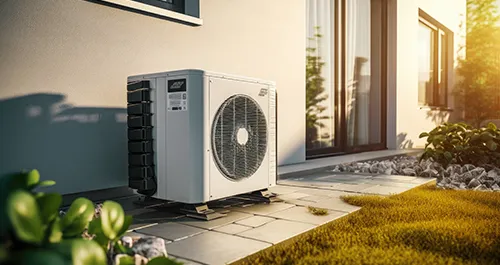
Air conditioner outside in the sun

Summer heat can cause your air conditioner to work harder than usual, which may increase energy bills if your system isn’t properly maintained. Simple air conditioner maintenance steps, like changing filters and keeping outdoor units clear, can improve efficiency, reduce strain on your system and help keep your home comfortable during the hottest months. In this article, we share practical AC maintenance tips homeowners can handle themselves, signs it may be time to call a professional and how regular upkeep can help you use energy more efficiently all summer long.

When key parts of your air conditioner aren’t cleaned regularly, the system has to work harder and use more energy to keep your home comfortable. Recent findings have shown that cleaning components like fans and blowers can reduce energy consumption by as much as 41% to 60%. Following these air conditioner efficiency tips can help lower your energy costs and improve how your system operates.

When to schedule air conditioner maintenance for summer performance

Regular air conditioning system maintenance is one of the best ways to keep your home cool, efficient and comfortable during the summer. Most HVAC companies offer tune-up services to keep your system running efficiently. A tune-up typically includes:

  • Tightening all electrical connections
  • Lubricating fans
  • Cleaning the system
     

A technician will check the coolant levels and be able to diagnose more serious issues that sometimes arise after years of use, like refrigerant leaks, and then fix the damage to restore your high-functioning air conditioner. Just as a car tune-up can improve gas mileage, tuning up your air conditioner can improve energy efficiency and help prevent costly breakdowns.

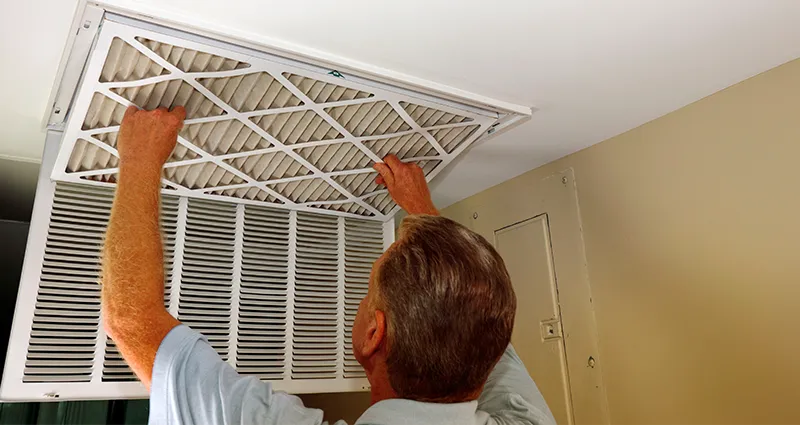
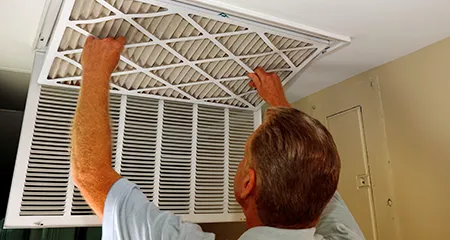
Man changing air filter on ceiling

How often to change AC air filters

Most homeowners should replace AC air filters every 1 to 3 months during summer, depending on how often the system runs and indoor conditions. Homes with pets or allergies may need to change filters more often to support proper airflow and efficiency.

Why regular AC filter changes matter for efficiency

Regular AC filter changes improve energy efficiency by allowing air to flow freely through your system. When filters are clogged with dust and debris, your air conditioner has to work harder to cool your home, which can increase energy use and wear on key components. 

According to the National Air Duct Cleaners Association (NADCA), supply airflow increased by 10% to 46% after HVAC systems were cleaned. This is why choosing the right air filter for your unit and changing your air filter regularly can help maintain its efficiency and extend the life of your air conditioner.

Ductwork issues that can reduce AC efficiency

Ductwork, even in new homes, might need to be cleaned as construction debris and dust naturally collects inside them. When the air turns on, fine particulates drift into the home and lower your indoor air quality. Over time, this material can build up in the system, reducing proper airflow. Cleaning ducts as needed can improve your home's indoor air quality and make your system more energy efficient.

Ductwork can also be susceptible to leaks. Loose joints or damaged sections of ductwork can allow treated air to escape into other areas of your home, reducing overall energy efficiency. If leaks are deeper within the system, you may want to consider having your ductwork professionally sealed.

Routine return air duct maintenance can help improve AC efficiency, as clogged duct covers can restrict airflow. Vacuuming return air ducts when you clean the surrounding room can help maintain proper airflow to your HVAC system.


What to check with AC refrigerant line insulation

Torn or disintegrated insulation can impact your air conditioner's cooling power. Inspect the insulation covering the coolant pipes each summer and consider getting them replaced if you notice:
  • Loose connections or fittings
  • Low or inconsistent pressure readings
  • Unusual sounds such as hissing or bubbling
  • Visible damage such as kinks, fraying or ice buildup on refrigerant lines
Technician performing routine maintenance

Outdoor AC maintenance for summer cooling

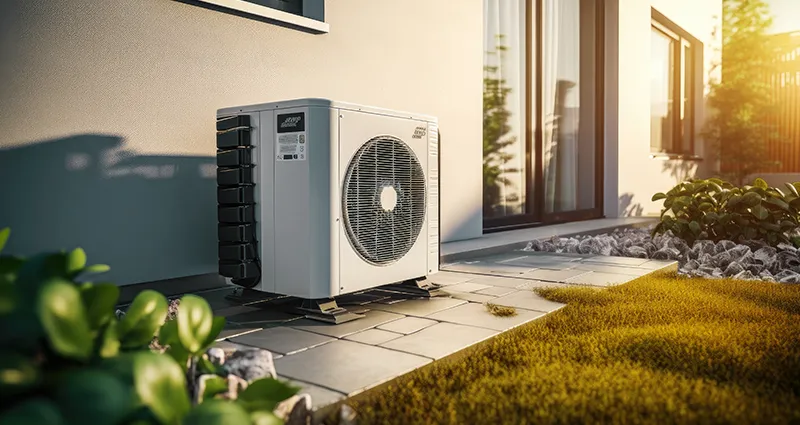
Keeping your outdoor AC unit clear of leaves, grass and debris can help improve airflow and overall system performance. Make sure there’s a few feet of open space around the unit, and gently rinse away dirt from the exterior when needed. For safety, consider leaving any maintenance beyond light exterior cleaning to a qualified professional.

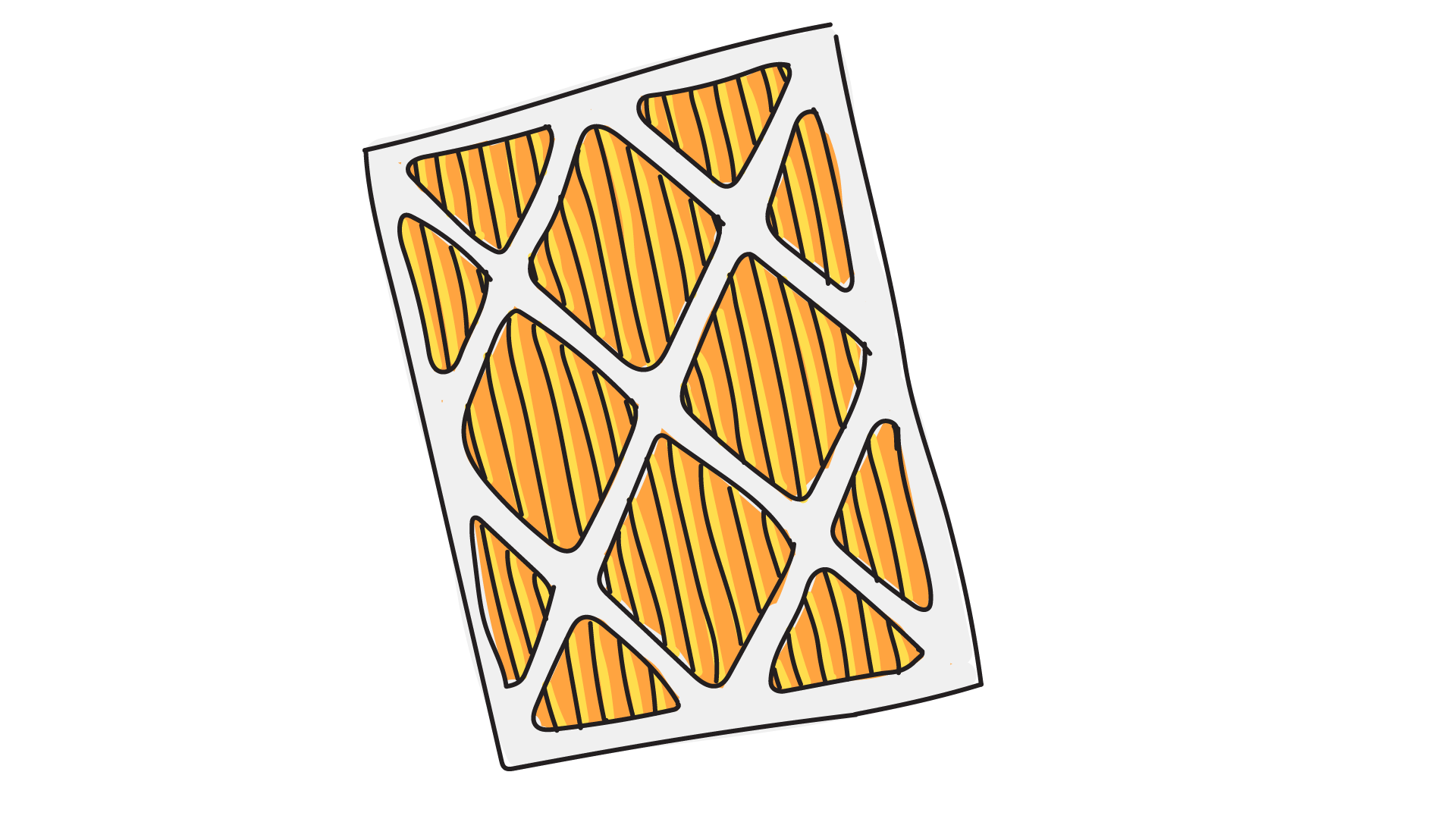
Choosing the right air filter
for your home

Not all air filters perform the same.
Learn how different filter types affect
air quality, energy use and system
performance so you can choose the
best option for your home.

Ways to reduce AC runtime without losing comfort

Even with regular maintenance, an AC that runs nonstop can lose efficiency faster and may need to be replaced sooner. Using your system more moderately can help extend its lifespan. Keep your home comfortable in the summer without overworking your AC by:

  • Blocking out radiant heat from sun-facing windows with heavy drapes or blackout curtains
  • Ensuring ceiling fans turn counterclockwise, using them often to gradually increase the indoor temperature
  • Running the dryer, dishwasher and oven after dark when the temperature is lower
  • Sealing air leaks by replacing cracked or brittle weatherstripping and using caulk or spray foam
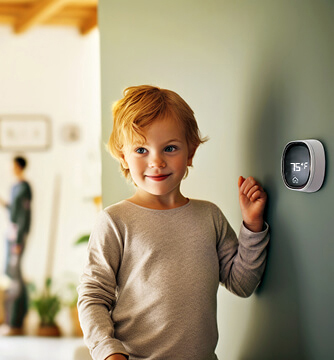
  • Using a smart thermostat to control your AC remotely and create cooling schedules that reduce energy use when no one is home

Signs your AC isn’t running efficiently

Air conditioning systems, particularly those over 10 years old, may show one or more of the following signs:

  • AC blowing warm air due to thermostat, refrigerant or compressor issues
  • Frequent cycling where the system turns on and off more often than usual
  • Hot and cold spots that cause uneven temperatures throughout the home
  • Increased humidity even while the AC is running
  • Insufficient cooling when the system runs but doesn’t cool effectively
  • Strange odors that may point to mold, wiring or pests
  • System won’t turn on due to possible electrical or thermostat issues
  • Unexpected rise in energy bills that may signal declining efficiency
  • Unusual noises like rattling, grinding or squealing
  • Weak or limited airflow that feels light or uneven
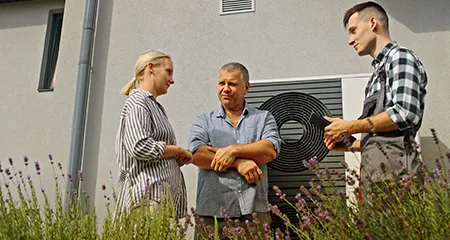
Technician talking to homeowners

When to consider calling an HVAC technician

While basic maintenance can be handled by homeowners, you might consider contacting a qualified HVAC technician if you notice ongoing performance issues, refrigerant leaks or electrical concerns. Professional inspections can help identify problems early and keep your system running safely and efficiently. During a service visit, technicians will typically:

  • Check refrigerant levels and test for leaks
  • Properly capture any evacuated refrigerant
  • Inspect and seal duct leaks in central systems
  • Measure airflow across the evaporator coil
  • Inspect, clean and tighten electrical connections
  • Confirm heating and cooling systems don’t run at the same time
  • Oil motors and check belts for wear and proper tension
  • Verify thermostat accuracy
     

You can find a trusted HVAC technician in your area by checking reviews, verifying certifications and asking for local recommendations.

When it may be time to replace an air conditioning unit

It may be time to replace your air conditioning unit if it needs frequent repairs or no longer cools as it should. Before shopping for a new AC system, consider purchasing one with the ENERGY STAR label. Depending on where you live, upgrading older heating and cooling equipment to ENERGY STAR‑certified models could help lower your annual energy costs by about $140.

Your summer AC efficiency checklist

Before the start of summer

  • Schedule a professional AC tune‑up
  • Clean indoor and outdoor system components
     

Monthly to quarterly

  • Check and replace AC air filters every 30 to 90 days
  • Replace filters more often if you have pets, allergies or heavy AC use
     

Airflow and ductwork

  • Vacuum return air vents when cleaning nearby rooms
  • Visually inspect ducts for dust buildup or visible leaks
  • Seal duct leaks or schedule professional duct sealing if needed
     

Refrigerant and insulation

  • Visually inspect refrigerant line insulation for damage or wear
  • Watch for signs like hissing sounds, ice buildup or uneven cooling
     

Outdoor unit care

  • Clear leaves, grass and debris from around the condenser
  • Keep at least two feet of open space around the unit
  • Gently straighten bent condenser fins if airflow looks restricted 

A cooler home begins with consistent AC care

Staying on top of summer AC maintenance, from changing filters to scheduling professional tune-ups, helps your system perform better and last longer. By following these air conditioning tips for summer, you can help keep your home comfortable while using energy more efficiently. 

Signing up for Direct Energy is easy!

We offer a wide range of plans and even help you customize them to fit your needs! Shop our plans to find your best fit today.  

Frequently asked questions about AC maintenance

Show all answers

Most filters should be changed every 30 to 90 days, depending on the exact filter type. Homes with pets, allergies or heavy AC use may need more frequent changes.

An improperly sized AC may short cycle or struggle to cool. Use our guide to help find an air filter that may best fit your home's unit. You can also reach out to an HVAC professional in your area to confirm sizing during a scheduled system evaluation.

Use ceiling fans and smart thermostat schedules to help keep your home comfortable while gradually raising indoor temperatures to reduce AC runtime.

The 20-degree rule suggests keeping your thermostat set no more than 20 degrees cooler than the outdoor temperature during summer. Setting a much lower temperature can overwork the system, reduce efficiency and increase wear.

The 3‑minute rule advises waiting at least 3 minutes before restarting your air conditioner after it shuts off to help protect the compressor and run efficiently.

Common causes of an AC unit not blowing cold air include a dirty air filter, low refrigerant or airflow issues. If the problem continues, a professional inspection may help.

Most air conditioners last about 10 to 15 years, depending on use, maintenance and climate conditions. Regular upkeep can help extend an AC unit's lifespan.

An AC may stop working due to electrical issues, thermostat problems or worn components that may need to be repaired or replaced. Ongoing issues are best checked by an HVAC professional.

View more +

Explore the learning center

Explore our other categories by selecting one from the dropdown menu. 

family having fun while moving making a cardboard house

Whole home protection

Energy is just the beginning. Discover protection plans that cover your home’s AC and heating system, plumbing, wiring and major appliances.

Signing up for Direct Energy is easy!

We offer a wide range of plans and even help you customize them to fit your needs! Shop our plans to find your best fit today.  

Need help placing an order?
Texas customers: Call us at 1-855-461-1926
Northeast and Midwest customers: Contact us


Questions about your current service?
Texas customers: Call us at 1-888-305-3828
Northeast and Midwest customers: Contact us